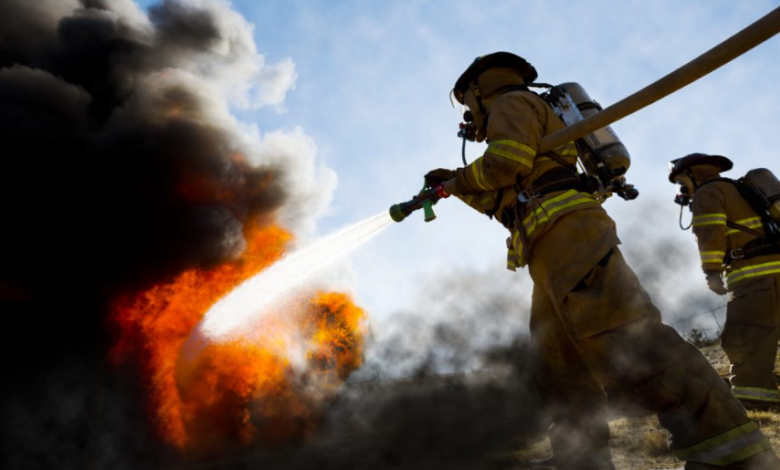
When the coastal breeze shifts or a hot inland wind starts blowing, fire risk can rise in minutes. That is why engaging professional guidance early in a project is one of the smartest investments you can make. Experienced bushfire consultants Newcastle help homeowners, builders, and developers design and construct properties that meet regulations, improve safety, and minimize long-term costs. This guide explains how they work, what to expect, and how to make the most of their expertise.
Understanding Bushfire Risk and Local Conditions
No two sites carry the same level of bushfire risk. Factors like vegetation type, slope, and local weather patterns play major roles in determining how fire behaves. In coastal and inland regions, a combination of dry eucalypt forest, grassland, and coastal scrub can produce fast-moving fires that generate intense radiant heat and flying embers.
Topography also matters. Homes located on ridges or steep slopes are exposed to stronger winds and more intense heat, while valleys can channel flames and embers directly toward structures. Even a small area of unmanaged vegetation across the road can influence your Bushfire Attack Level (BAL) rating. A qualified consultant takes all of these site characteristics into account to create a clear picture of your risk profile before you start designing or building.
See also: Top Tips for Choosing the Best Trailer Repair Service in Canberra
What a Bushfire Consultant Actually Does
A bushfire consultant interprets complex environmental data and planning rules to create a plan that balances safety, compliance, and construction practicality. Their work typically includes:
- Vegetation and topography assessment: Identifying plant types and slope to determine potential fire behavior.
- BAL calculation: Estimating exposure to radiant heat, ember attack, and flame contact.
- Design and siting recommendations: Suggesting ways to reduce risk through smarter building placement and material selection.
- Compliance documentation: Preparing reports for council or planning approval.
A good consultant understands not just the technical standards but how to apply them in ways that make sense for builders and homeowners.
Key Services and Deliverables
Bushfire Attack Level (BAL) Assessments
The BAL rating is the foundation for all bushfire-related design decisions. It determines what materials, construction details, and clearances are required. Ratings range from BAL Low to BAL FZ (Flame Zone). The higher the BAL, the more stringent and expensive the construction requirements become.
Development Application (DA) Reports
Most properties mapped as bushfire-prone must include a formal report when lodging a development application. This document outlines the site’s BAL, justifies the classification, includes maps and calculations, and provides recommendations that align with NSW Rural Fire Service (RFS) guidelines. Clear, detailed reports help councils assess proposals faster and reduce costly back-and-forth during approval.
Design Advice and Construction Detailing
Consultants often collaborate with architects and builders to refine layouts. They might recommend adjusting building envelopes, increasing setbacks, or selecting non-combustible materials for cladding and roofing. Window and door specifications, ember guards, and vent design all play a role in protecting a home during a fire event.
Vegetation Management and Asset Protection Zones
Creating defensible space is essential. Consultants design Asset Protection Zones (APZs) that provide a managed buffer between vegetation and buildings. These zones are tailored to each property, specifying distances, maintenance requirements, and appropriate plant species to maintain both safety and visual appeal.
Step-by-Step Assessment Process
- Desktop Review: The consultant examines local mapping, aerial imagery, and council overlays to confirm whether the site is bushfire-prone and what restrictions may apply.
- On-Site Inspection: They visit the property to record vegetation types, slopes, distances, and surrounding hazards using GPS and photographic evidence.
- Analysis and Reporting: Data is processed in accordance with AS 3959 standards, and the findings are compiled into a comprehensive report.
- Liaison and Revisions: Consultants often liaise with councils or the RFS to clarify points or adjust recommendations to keep the project moving.
Regulations and Standards You Should Know
In New South Wales, developments on bushfire-prone land must comply with the Environmental Planning and Assessment framework, NSW RFS guidelines, and relevant local planning controls. The core technical reference is AS 3959: Construction of Buildings in Bushfire-Prone Areas, which outlines materials and detailing standards for each BAL level.
Meeting these standards ensures that construction methods, such as ember-resistant roofing and glazing, meet or exceed safety requirements. Compliance also reduces delays in the approval process and improves the property’s resilience to future fire seasons.
Costs, Timeframes, and Practical Tips
For a single home, a typical BAL assessment and report usually costs between a few hundred and a few thousand dollars, depending on complexity. Larger subdivisions, multi-dwelling projects, or sites rated BAL 40 or Flame Zone require more detailed modeling and coordination, increasing both time and expense.
To keep costs under control:
- Engage a consultant early, before design is finalized.
- Provide accurate site surveys and plans to avoid rework.
- Consider vegetation management strategies that naturally reduce risk.
- Adjust building orientation to increase separation from bushland where possible.
Most reports are completed within two weeks of site inspection, though approval times vary by council workload.
Choosing the Right Consultant
Not all consultants offer the same expertise. Look for professionals with formal accreditation under the Bushfire Planning and Design (BPAD) system and professional indemnity insurance. Local experience is invaluable; those familiar with council processes, RFS officers, and vegetation types in the region can anticipate issues and resolve them faster.
Ask about turnaround times, report inclusions, and how they handle council queries. Request examples of recent projects or references from other clients. A well-organized consultant communicates clearly, delivers on time, and provides actionable recommendations instead of generic advice.
Conclusion
Building or renovating in a bushfire-prone area demands careful planning and informed decision-making. Skilled bushfire consultants newcastle combine environmental science, planning expertise, and practical design insight to make that process smoother and safer. Whether you are developing a rural block, expanding a suburban home, or managing a large subdivision, early consultation can prevent delays, lower construction costs, and most importantly, protect lives and property when conditions turn extreme.